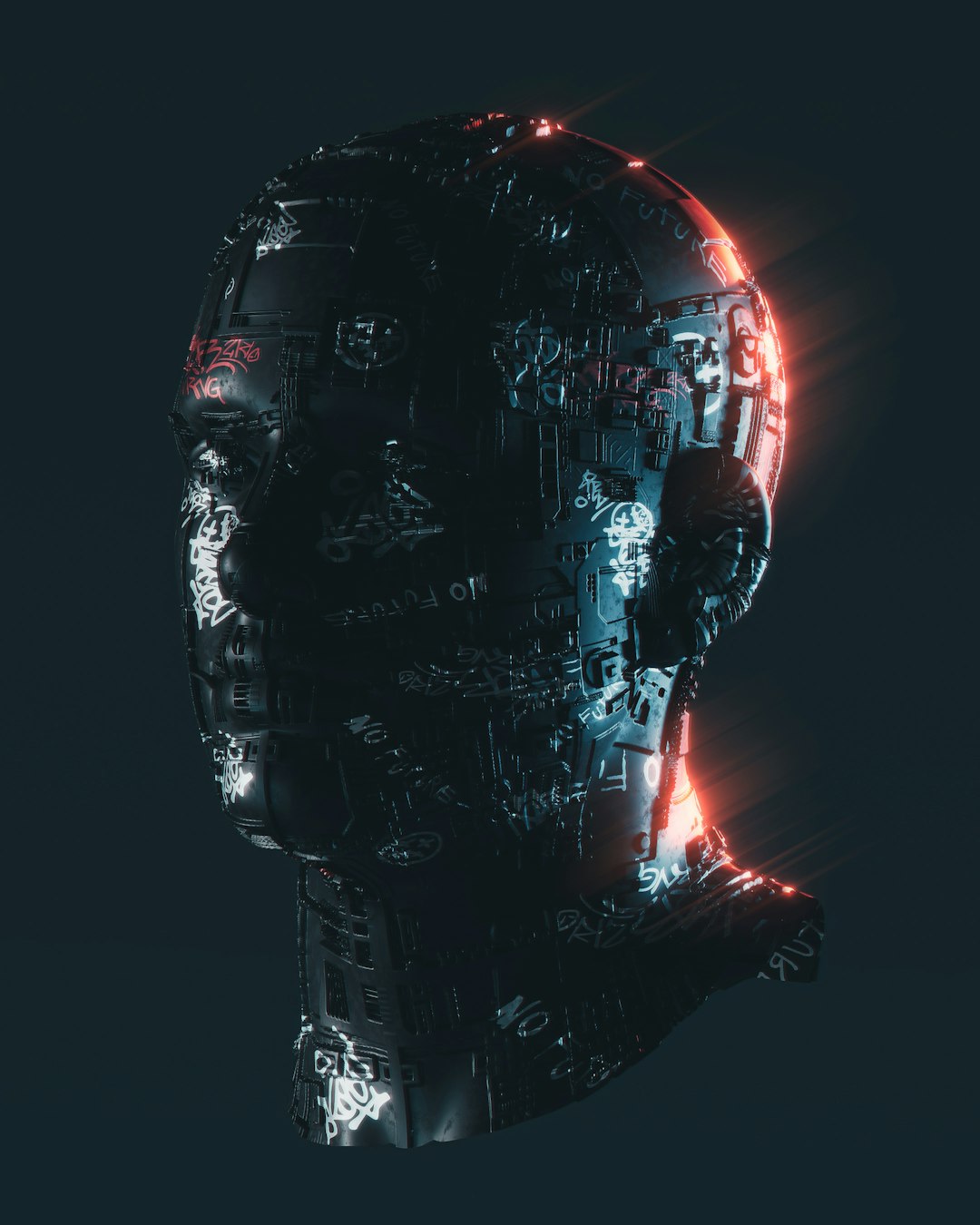
Understanding Game Rigging Fundamentals
Character rigging bridges the gap between static models and animated performances. A well-constructed rig enables animators to bring characters to life efficiently while maintaining deformation quality. Game rigs face unique constraints compared to film rigs, requiring careful balance between functionality and performance. Understanding these limitations from the start ensures your rigs work effectively in real-time environments.
The skeletal hierarchy forms the foundation of any character rig. This bone structure defines how different body parts relate to each other and how motion propagates through the character. Root motion starts at the pelvis for bipeds, with the spine branching upward and legs extending downward. Proper hierarchy ensures that moving the pelvis translates the entire character while allowing independent control of limbs.
Building the Skeletal Structure
Begin rigging by creating a clean skeletal structure that matches the character's proportions and anatomy. Place joints at natural pivot points where bones rotate in real bodies. Knee and elbow joints require careful placement to ensure natural bending. Position them slightly behind the visual center of the limb to prevent hyper-extension and create more natural default poses.
Joint naming conventions are crucial for pipeline integration and animation retargeting. Use clear, descriptive names following your studio's standards. Typical conventions include prefixes indicating side, followed by descriptive names and suffixes for specific joint types. Consistent naming allows animations to transfer between characters and enables procedural systems to identify and manipulate specific joints automatically.
Create control rigs separate from the deformation skeleton when building complex characters. Control rigs provide animators with intuitive handles for posing characters without directly manipulating joints. This separation allows more sophisticated control schemes while keeping the deformation skeleton optimized for game engine performance. The control rig drives the deformation skeleton through constraints and connections.
Inverse Kinematics and Forward Kinematics
Understanding IK and FK systems is fundamental to effective rigging. Forward Kinematics works hierarchically, with each joint's rotation affecting all children. This approach feels intuitive for arm animation where shoulder rotation influences the entire arm chain. FK excels for smooth, flowing motions and gives animators precise control over each joint's orientation.
Inverse Kinematics calculates joint rotations based on end effector position, perfect for leg animation where feet must plant on uneven terrain. IK solvers automatically adjust knee and hip angles to keep feet positioned correctly. This approach dramatically simplifies animation tasks like walking up stairs or navigating slopes. Game characters typically use IK for legs and FK for arms, though blendable IK/FK systems provide maximum flexibility.
Pole vectors control IK chain orientation, preventing solutions where joints flip unexpectedly. Place pole vector targets in front of knees and behind elbows, matching natural limb orientation. Proper pole vector setup ensures IK chains solve consistently and predictably across different poses, preventing the frustrating rotation flips that plague poorly configured IK systems.
Weight Painting and Skin Deformation
Skin weighting determines how mesh vertices follow skeletal motion. Quality weight painting separates amateur rigs from professional work. Begin with automatic weight calculation as a starting point, then refine problem areas manually. Focus attention on joint areas where automatic algorithms typically fail, particularly shoulders, hips, and the spine.
Use smooth, gradual weight transitions rather than hard boundaries. Abrupt weight changes create visible creasing during animation. Feather weights across multiple joints to distribute deformation smoothly. The torso typically has broad weight distributions across multiple spine joints, creating smooth bending rather than sharp kinks.
Test deformation thoroughly by posing the character in extreme positions. Check for collapsing geometry, unwanted bulging, or mesh interpenetration. Common problem areas include shoulders during raising arms, hips during sitting poses, and elbows during extreme bending. Address these issues through careful weight adjustment and potentially additional corrective blend shapes for extreme poses.
Facial Rigging Techniques
Facial animation requires specialized rigging approaches to achieve the subtle expressions that convey emotion. Blend shape systems are standard for facial animation, with each shape representing a specific facial movement. Create blend shapes for phonemes to support lip syncing and emotional expressions like happiness, sadness, and anger. Combine these base shapes to generate thousands of possible expressions.
Follow the FACS system for organizing facial blend shapes. This approach categorizes facial movements into action units based on anatomical muscle groups. Creating comprehensive FACS-based blend shape libraries ensures your characters can produce any human expression while maintaining organized, predictable control schemes for animators.
Joint-based facial rigs offer an alternative approach, providing more flexibility for stylized characters or when memory constraints prohibit extensive blend shape libraries. Joint rigs require more careful setup and can be harder to animate, but they don't increase memory usage like blend shapes. Many modern rigs combine both approaches, using joints for jaw and eye motion while employing blend shapes for detailed facial features.
Creating Animation Clips
Animation quality directly impacts player perception of character believability. Study real-world reference for every animation you create. Understanding actual body mechanics prevents unnatural motion that breaks immersion. Record yourself or others performing actions, then analyze the footage frame by frame to understand weight shifts, timing, and body mechanics.
Game animations require specific considerations compared to linear media. Looping animations must transition seamlessly from end to beginning. Ensure the first and last frames of cycles match exactly in pose and timing. Root motion must return to the origin for in-place animations, or travel the appropriate distance for moving animations. These technical requirements are non-negotiable for proper game functionality.
Apply animation principles to game work despite technical constraints. Anticipation prepares players for major movements. Follow-through adds weight and believability. Squash and stretch, even subtly, enhances impact and makes motion feel dynamic. These principles work within real-time constraints when applied thoughtfully, elevating animation quality significantly.
Animation State Machines
State machines orchestrate animation playback based on gameplay conditions. Understanding state machine logic helps animators create assets that integrate cleanly into game systems. Each state represents a distinct animation or blend of animations. Transitions define rules for moving between states, triggered by gameplay events or animation completion.
Design animations with state machine integration in mind. Create clear transition poses that blend well with other animations in your set. Idle animations should work as neutral states that transition smoothly into any action. Consider blend times when timing animations, ensuring important action moments don't get lost during transitions.
Blend spaces provide smooth interpolation between multiple animations based on parameters like speed or direction. A locomotion blend space might interpolate between walk and run cycles based on velocity, while blending between forward, backward, and strafing animations based on direction. These systems create responsive character motion that adapts fluidly to player input.
Performance Optimization
Animation optimization is crucial for maintaining frame rates, especially on lower-end hardware. Reduce keyframe density by removing redundant keys that don't significantly impact motion. Most animation curves don't require keys on every frame. Intelligent keyframe reduction can dramatically decrease animation data size with minimal visual impact.
Limit bone count to what your target platform can handle efficiently. Mobile devices struggle with high bone counts, so design rigs specifically for mobile deployment with reduced complexity. Use LOD systems for animated characters, reducing bone count and animation sampling rate for distant characters. These optimizations free resources for characters currently important to gameplay.
Consider animation compression techniques built into modern engines. These systems reduce memory and bandwidth requirements while maintaining visual quality. Understand the compression artifacts your chosen method introduces and author animations to minimize these issues. Some compression schemes handle specific animation types better than others, so choose appropriately for your content.
Conclusion
Professional character rigging and animation combines technical skill with artistic sensibility. By mastering skeletal structure, IK/FK systems, weight painting, and animation principles while maintaining awareness of performance requirements, you can create compelling animated characters for games. Continue studying anatomy, analyzing reference footage, and practicing these techniques to refine your skills. The best character animators never stop learning, constantly pushing to create more believable, expressive, and efficient animated performances.